
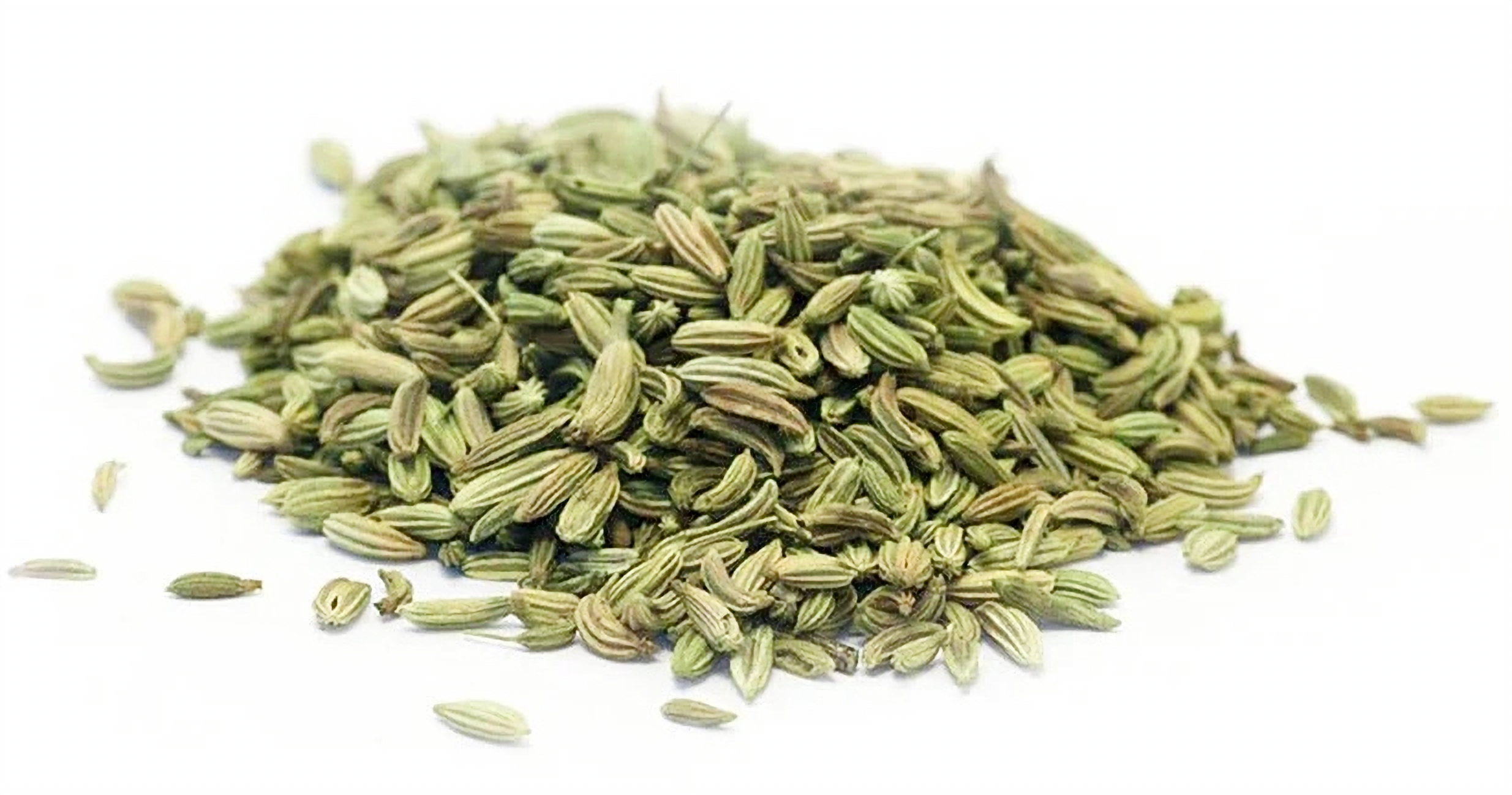
Aniseed and Its Sweet Aroma
Sweet and fragrant, aniseed brings a gentle liquorice flavour to baked goods, drinks, and spice blends across Middle Eastern and Mediterranean cuisines.
Table of content
How Does Aniseed Taste?
What is the difference between aniseed and star anise?
How is aniseed used in cooking?
Can aniseed be used in savoury dishes?
Why did ancient sailors carry aniseed on long voyages—and what surprising benefit does it still offer today?
Aniseed-Spiced Tea
Aniseed
Pimpinella Anisum
What is Aniseed?
Aniseed has been treasured since antiquity, valued for both its culinary uses and medicinal properties.
Ancient Egyptians and Romans used it to aid digestion and flavour breads, while in the Middle Ages it was a prized spice along trade routes.
Today, it remains a staple in both sweet and savoury recipes—flavouring liqueurs like ouzo, arak, and sambuca, as well as baked goods, spice blends, and herbal teas.
Its essential oil, rich in anethole, gives aniseed its characteristic liquorice taste and soothing digestive qualities.
Facts about Aniseed
Flavour & Taste
Aniseed has a sweet, warm flavour reminiscent of licorice, with subtle hints of spice and a gentle herbal brightness. It brings a distinctive, aromatic lift to both sweet and savoury dishes, adding depth and a lingering, slightly sweet warmth.
Where Does Aniseed Come From?
Aniseed is native to the Eastern Mediterranean and Southwest Asia. Today, it is cultivated in countries such as Turkey, Egypt, India, Spain, Mexico, and parts of Southern Europe where warm climates and well-drained soil provide ideal growing conditions.
Popular Varieties of Aniseed
Aniseed
Pimpinella anisum
The true anise used for both culinary and medicinal purposes.
Star anise
Illicium verum
Not botanically related but commonly confused, with a stronger, spicier flavour.
Fennel seed
Foeniculum vulgare
Milder and sweeter, often used as a substitute.

FAQ
How Does Aniseed Taste?
Aniseed has a sweet, liquorice-like flavour with warm, mildly spicy undertones.
What is the difference between aniseed and star anise?
Although both have a liquorice-like flavour, aniseed (Pimpinella anisum) and star anise (Illicium verum) come from different plants. Star anise has a sharper, spicier taste.
How is aniseed used in cooking?
It’s used to flavour breads, cookies, liqueurs (like ouzo or sambuca), and herbal teas. A little goes a long way due to its strong aroma.
Can aniseed be used in savoury dishes?
Yes — it adds subtle sweetness to meat marinades, sauces, and spice blends in Mediterranean and Middle Eastern cuisines.
Why did ancient sailors carry aniseed on long voyages—and what surprising benefit does it still offer today?
Historically, sailors kept aniseed as a natural digestive aid and believed its aroma could freshen stale air in ship cabins. The fun twist is that modern science now supports its carminative and antimicrobial properties, making it both a soothing ingredient and a natural deodoriser.
Recipe Idea
Aniseed-Spiced Tea
Simmer 1 teaspoon of crushed aniseed in 1 cup of water for 5–7 minutes.
Strain and sweeten with honey for a naturally calming tea that aids digestion and provides gentle warmth after meals.