
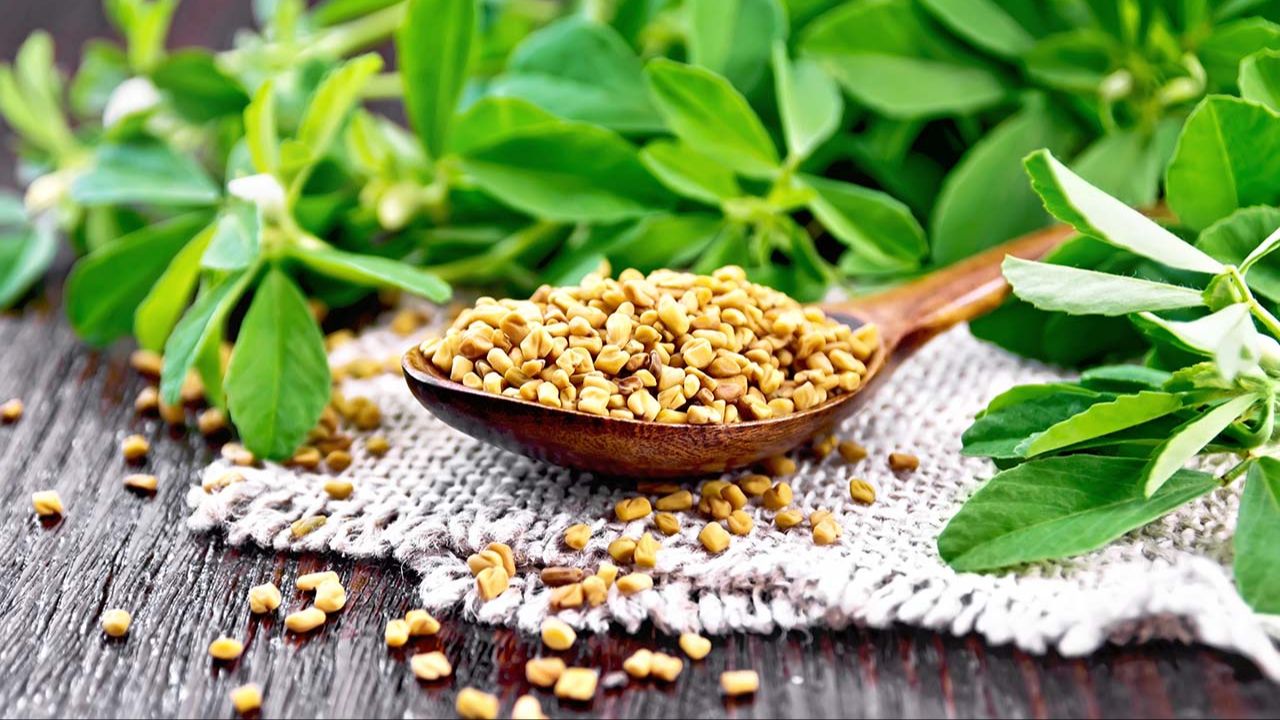
Fenugreek’s Ancient Boldness
Rich and slightly bittersweet, fenugreek adds nutty depth to curries, pickles, and spice blends, especially in Indian and Middle Eastern cuisine.
Table of content
How Does fenugreek Taste?
What is kasuri methi?
Can fenugreek be used in non-Indian dishes?
How do you store fenugreek?
Is it true that fenugreek was one of the earliest “performance-enhancing” ingredients?
Fenugreek Chicken Curry
Fenugreek
Trigonella Foenum-Graecum
What is Fenugreek?
Fenugreek is a highly versatile spice and herb, used both for its seeds and leaves.
Its seeds are commonly roasted or ground, lending a warm, aromatic bitterness to curries, spice blends, and pickles, while the leaves (fresh or dried) add a unique, earthy flavour to breads, stews, and vegetable dishes.
Fenugreek has a long history in culinary and medicinal traditions, from ancient Egypt to modern Indian cuisine, valued for aiding digestion, regulating blood sugar, and adding depth to complex dishes.
Its characteristic aroma intensifies when toasted, making it a secret ingredient in many spice blends.
Facts about Fenugreek
Flavour & Taste
Fenugreek has a distinctive, slightly sweet and nutty flavour with subtle notes of maple and a gentle bitterness that adds complexity to a dish. When toasted or cooked, its sharp edges mellow into a warm, caramel-like aroma that deepens stews, curries, and spice blends.
Where Does Fenugreek Come From?
Fenugreek is native to the Mediterranean region and Western Asia. Today, it is widely cultivated in India (the largest producer), Egypt, Morocco, Ethiopia, and parts of the Middle East. It grows best in sunny, well-drained soil and temperate climates.
Popular Varieties of Fenugreek
Common fenugreek
Widely used for seeds and leaves in cooking.
Kasuri methi
Dried fenugreek leaves, popular in Indian cuisine.
Bitter fenugreek
Higher in bitterness, sometimes used in herbal remedies.

FAQ
How Does fenugreek Taste?
Fenugreek has a warm, slightly bitter, nutty flavour with hints of maple and celery.
What is kasuri methi?
Kasuri methi refers to dried fenugreek leaves, widely used in Indian cuisine to enhance the flavour of curries, dals, and butter-based dishes like methi malai.
Can fenugreek be used in non-Indian dishes?
Yes — its nutty bitterness complements breads, roasted vegetables, sauces, and marinades, adding depth to both savoury and slightly sweet recipes.
How do you store fenugreek?
Store seeds in an airtight container away from heat and light. Dried leaves should also be kept sealed and cool to maintain their aroma and potency.
Is it true that fenugreek was one of the earliest “performance-enhancing” ingredients?
Yes! Ancient Greek athletes ate fenugreek before competitions because they believed it increased strength and stamina. Modern research shows that fenugreek seeds do contain compounds that may support energy metabolism and exercise performance — a fascinating link between ancient intuition and science.
Recipe Idea
Fenugreek Chicken Curry
Sauté onions, garlic, and ginger in oil.
Add chicken pieces, 1 teaspoon fenugreek seeds, turmeric, coriander powder, and chili powder.
Cook until the chicken is tender, stir in chopped kasuri methi, and finish with a splash of cream or yogurt for a rich, flavourful curry.